Malaysia Top 5 Bak Kwa is not about ranking the “best” bak kwa in the country.Most Malaysians don’t eat bak kwa regularly, and many say they are cutting down on sugar, salt, or processed food.Yet when Chinese New Year approaches, bak kwa quietly returns to shopping lists — not because people crave it daily, but because without it, the season feels incomplete.
In Malaysia, bak kwa functions less like a snack and more like a ritual food that signals the festive period has begun.
Why Buying Bak Kwa Still Matters in Malaysia Top 5 Bak Kwa Conversations
Bak kwa is rarely a last-minute purchase.
People plan for it, queue for it, or ask someone else to help buy it.
And there are reasons for that:
- Not every bak kwa suits older family members
- When it’s a gift, brand familiarity matters more than novelty
- Some names simply feel “safer” during festive visits
That’s why, every year, the same few brands resurface — not necessarily because they are the best, but because they fit these unspoken expectations.
Malaysia Top 5 Bak Kwa: Five Common Buying Patterns
Instead of ranking brands, it’s more accurate to look at how Malaysians buy bak kwa — and who they are buying it for.
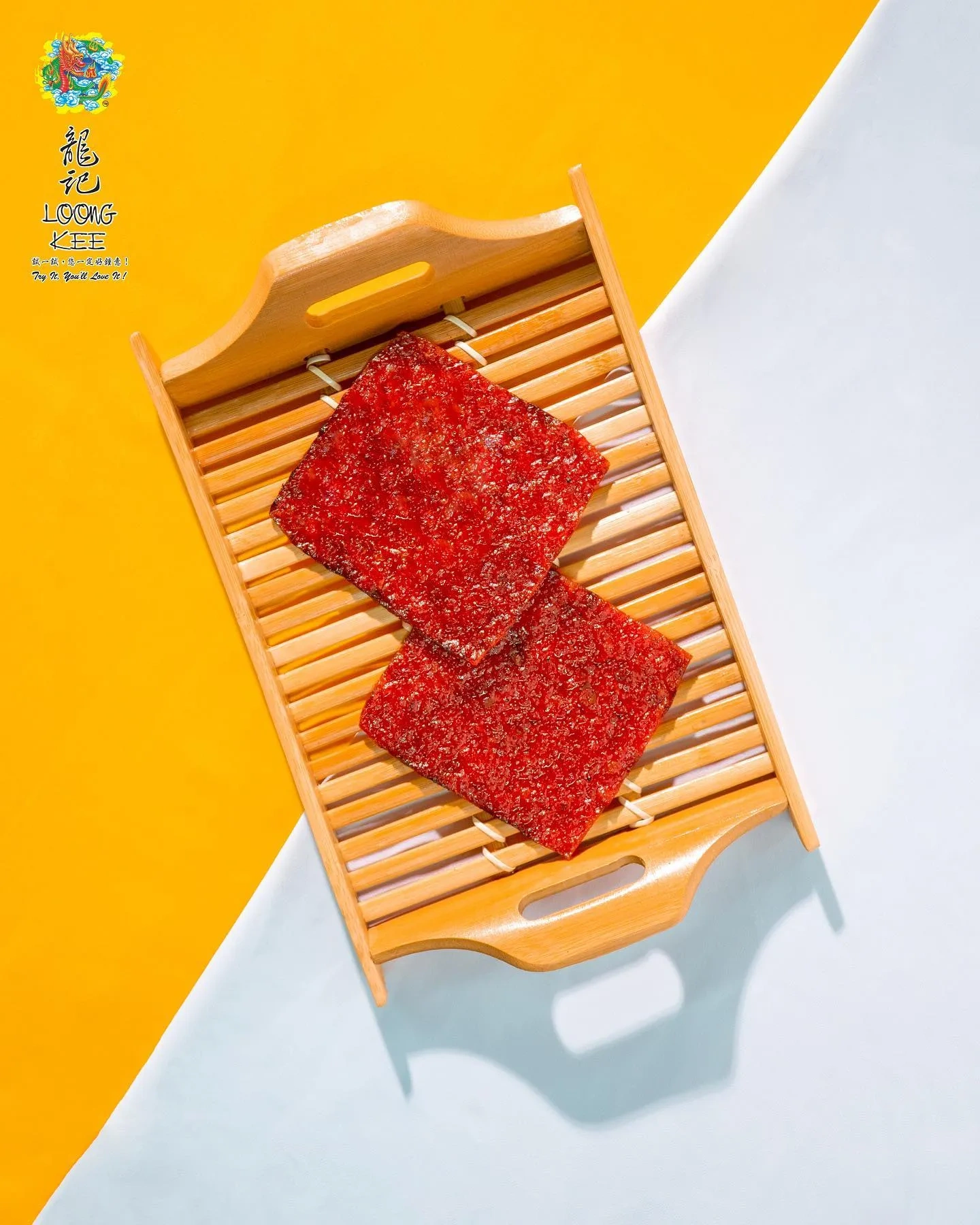
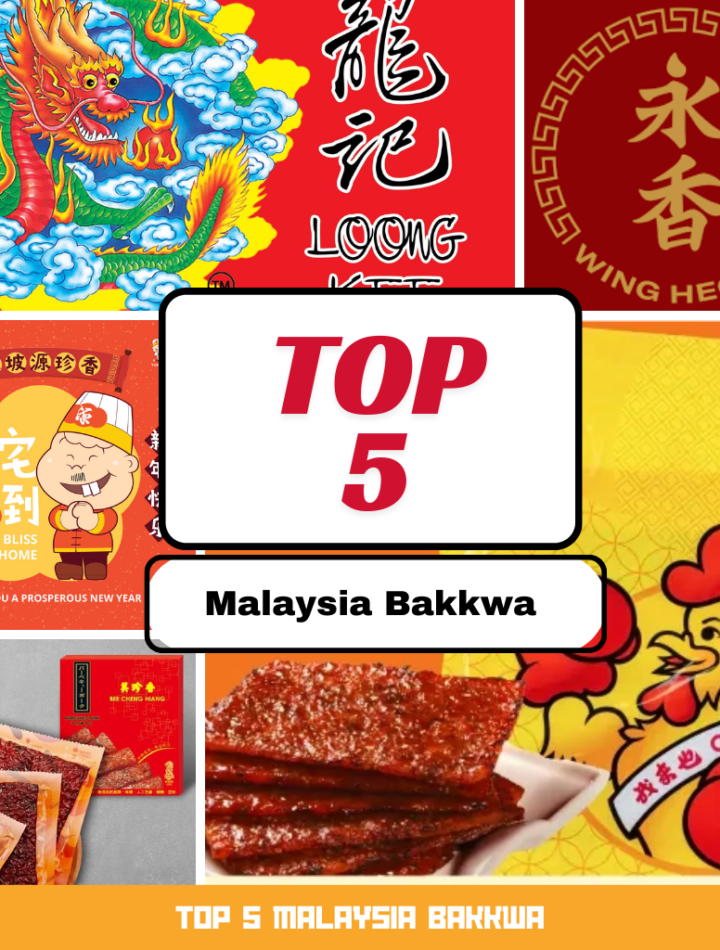
① The “Parents Know Best” Choice — Loong Kee
In many households, bak kwa doesn’t require discussion.
Traditional sliced meat, familiar flavour, a name parents recognise — that’s enough.
Loong Kee often appears in this context.
Not trendy, not experimental, but reliable and culturally accepted.
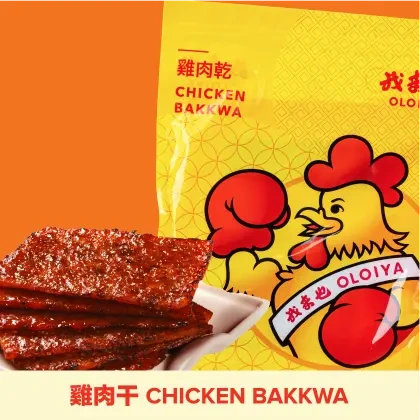
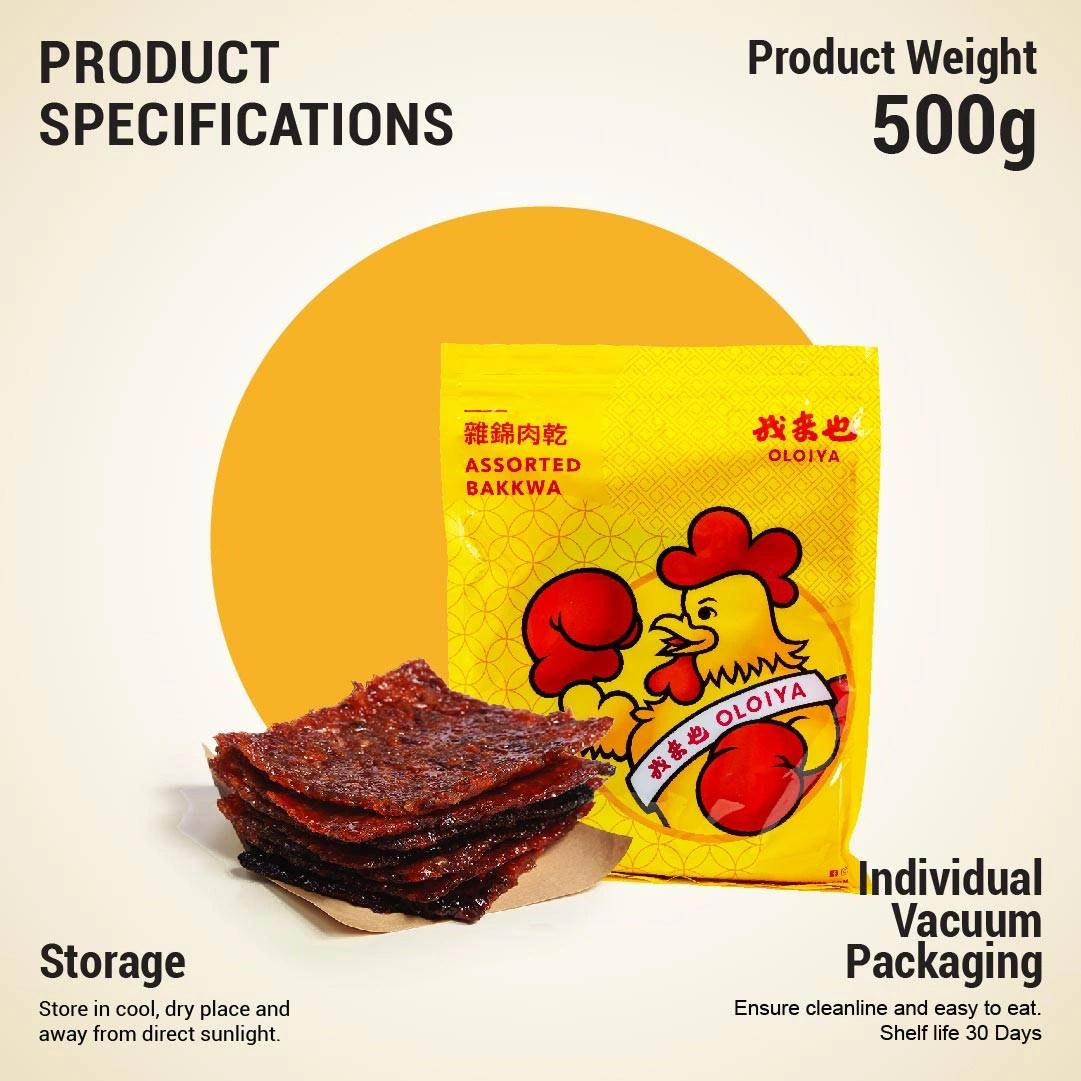
② The Texture-First Preference — Oloiya
Some buyers care less about brand and more about mouthfeel.
Bak kwa that is softer, slightly moist, and easier to chew tends to win family tables, especially when different age groups are involved.
This is where Oloiya usually fits in.
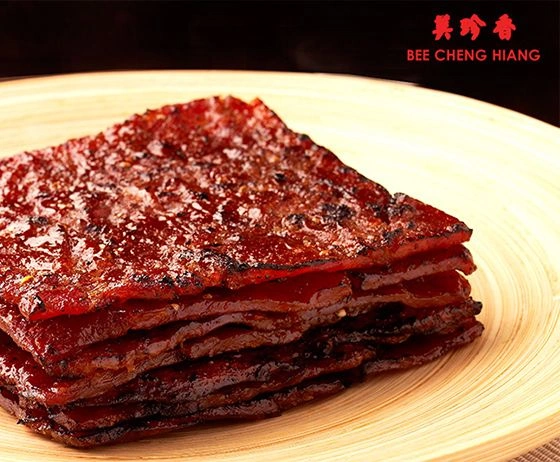
③ The “I Need This Done Quickly” Gift — Bee Cheng Hiang
When bak kwa becomes a corporate gift or something to carry across states, priorities shift.
Consistency, vacuum packaging, and recognisable branding matter more than artisanal appeal.
For many Malaysians, Bee Cheng Hiang represents efficiency and predictability.
④ The Smoke Aroma Crowd — Wing Heong
Some people associate bak kwa with sweetness.
Others think of charcoal smoke.
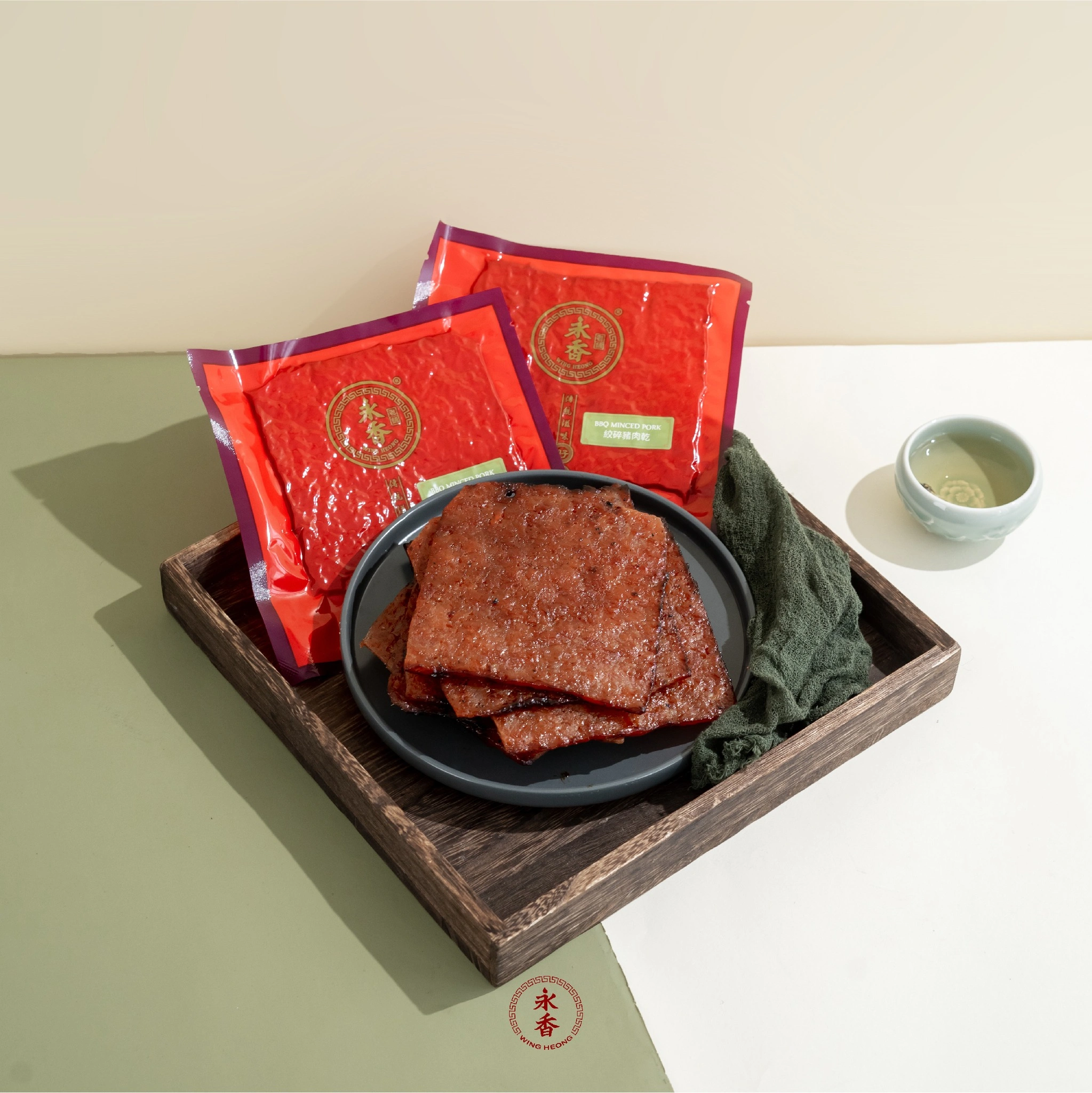
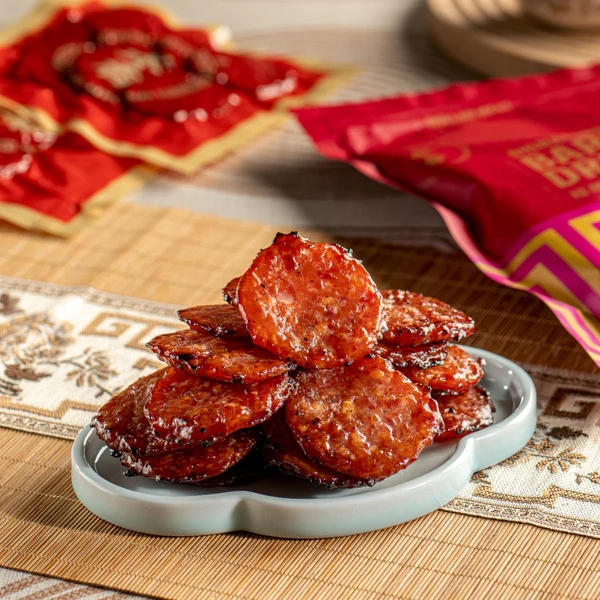
For those who enjoy stronger grilled aromas and slightly charred edges, Wing Heong stands out as a familiar option.
⑤ The Regional Loyalty Buy — Muar Yuen Chen Siang
For Southern Malaysians, especially those passing through Johor, certain bak kwa purchases feel almost automatic.
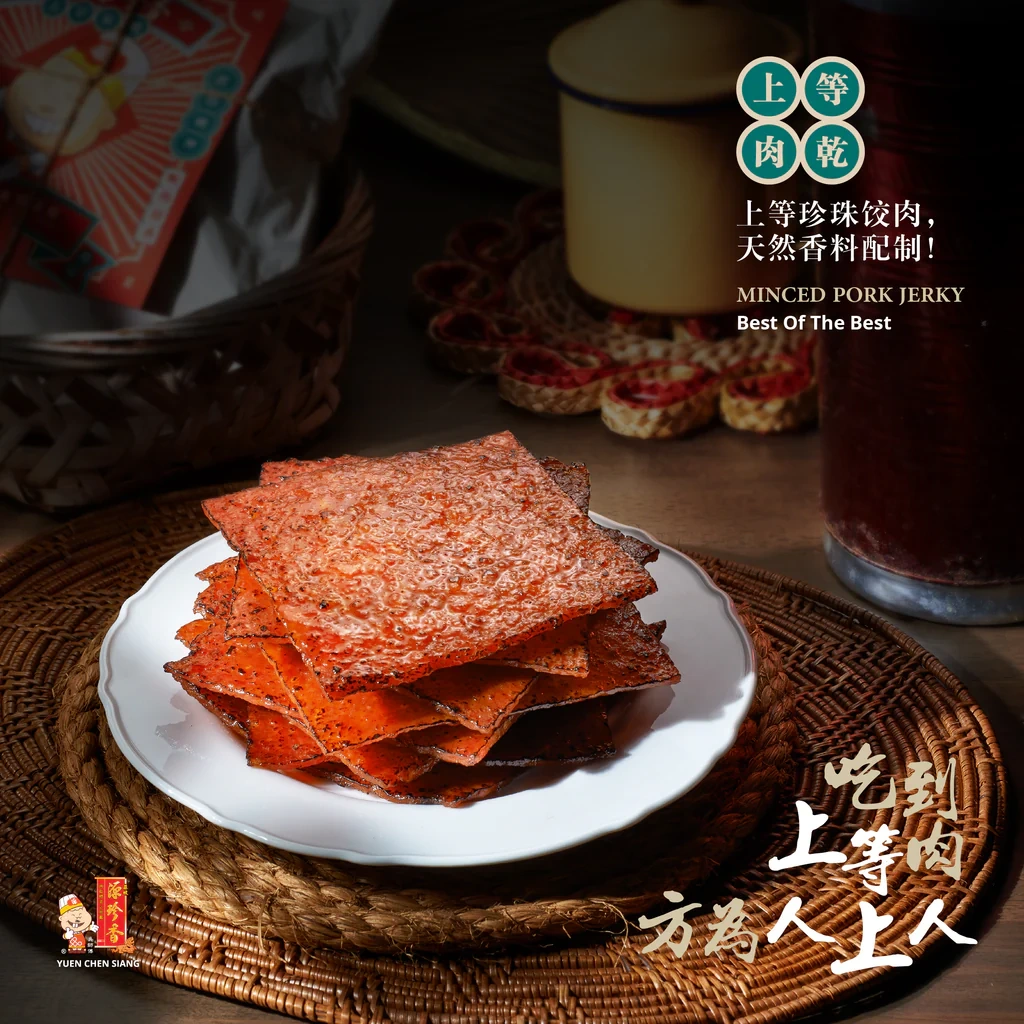
Buying from Muar Yuen Chen Siang is less about comparison and more about bringing a piece of place back home.
If Bak Kwa Is So Expensive, Why Do People Still Buy It?
Bak kwa isn’t priced like a daily food — and most Malaysians know that.
But it’s also not bought daily.
It’s bought once a year, for a short window, and often shared rather than consumed alone.
The cost is accepted because bak kwa carries symbolic value: effort, thoughtfulness, and celebration.
Choosing Bak Kwa the Malaysia Top 5 Bak Kwa Way
For those who prefer a simpler approach:
- Buying for elders → traditional sliced styles, familiar brands
- Buying as gifts → vacuum-sealed packs, stable quality
- Buying for family snacking → softer texture, balanced sweetness
There’s no need to chase the “best” bak kwa.
The right one is the one that fits the people around your table.
In the End, Bak Kwa Is About Timing, Not Taste
Some eat bak kwa for flavour.
Others eat it for memory.
In Malaysia, bak kwa is rarely about indulgence — it’s about marking a moment.
Paired with tea, shared slowly, and eaten only when the season feels right.
That’s when Chinese New Year truly begins.